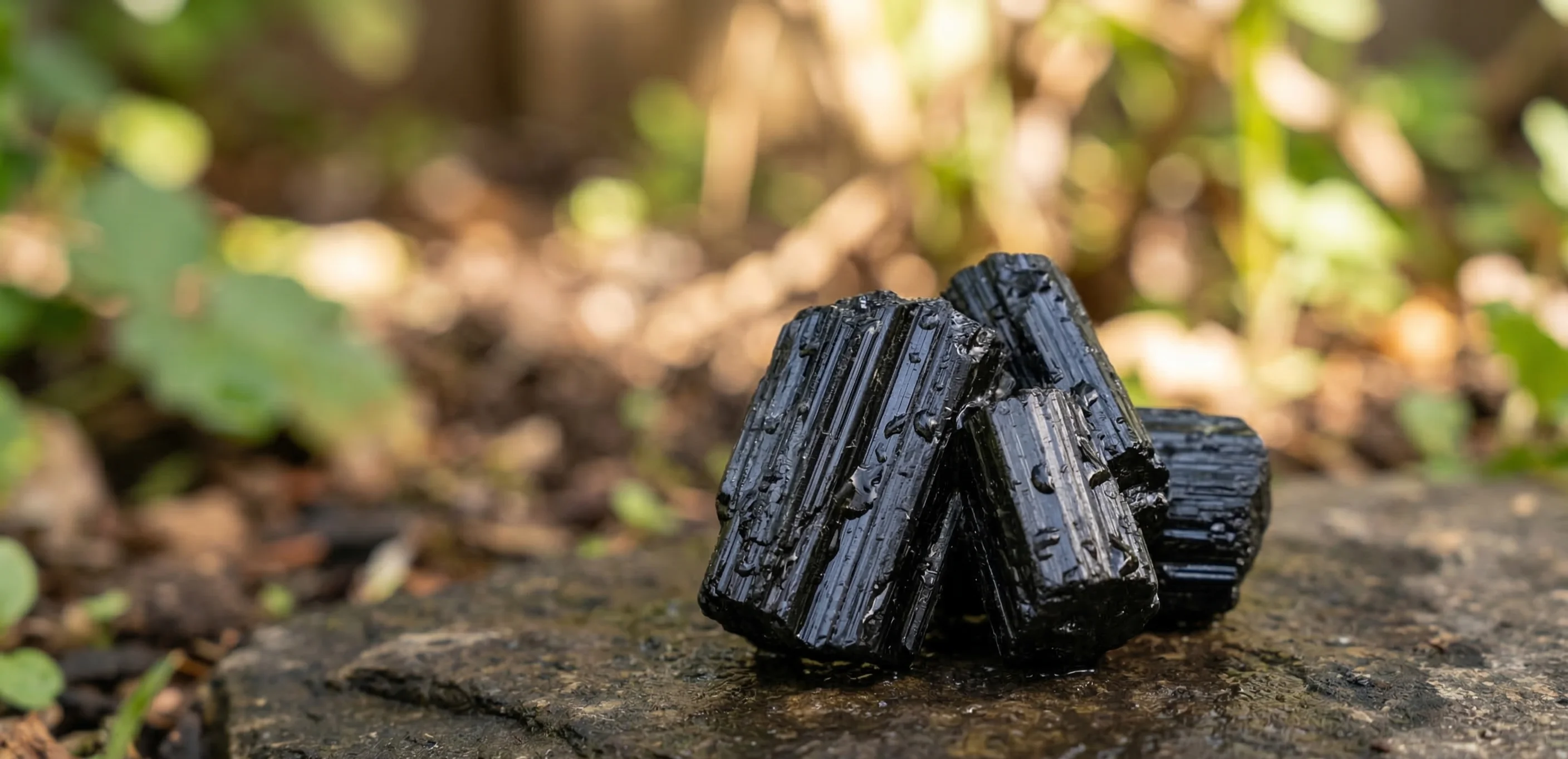
Textbook diagrams render pegmatite formation as a neat, sterile bakery oven. The reality on the ground is muddy, dangerous, and statistically disappointing. When you are standing deep in a collapsed granitic trench, smelling the sharp metallic tang of oxidized iron and diesel exhaust, you realize magmatic evolution is pure chaos. We chase these pegmatite veins because they are the final resting place for incompatible elements.
As the main body of granite solidifies, it ruthlessly ejects elements that do not fit its crystalline structure—chiefly Boron, Lithium, and Fluorine. This highly pressurized, water-rich slurry is forced into fractures of surrounding rocks. This is your pegmatite.
The Boron Starvation Problem: Stop assuming every pegmatite yields Tourmaline. Without a massive concentration of Boron acting as a structural flux, the cyclosilicate lattice simply collapses. I have excavated pockets the size of a minivan that looked promising, only to find nothing but massive, worthless quartz because the magmatic fluid was starved of Boron at the critical cooling threshold. Nature is highly inefficient.
Furthermore, the extraction process is inherently destructive. The high pressures that form these crystals also trap immense stress within them. When we blast or drill into the host rock, the sudden release of ambient pressure often causes the largest, most pristine Schorl specimens to spontaneously detonate into splinters before we even touch them.